THE EARLY YEARS
In the early years of the College of Rhode Island, now Brown University, faculty were not appointed for a specific subject. They taught a range of subjects like languages, mathematics, geography and history. As the first president of the college, James Manning most likely taught the first math classes along with several other subjects. In 1769, David Howell was appointed professor of mathematics and natural philosophy. He also taught French, German and Hebrew. In later years, 3 buildings on campus would be named after him. The first was a dormitory and the following two housed the math department.
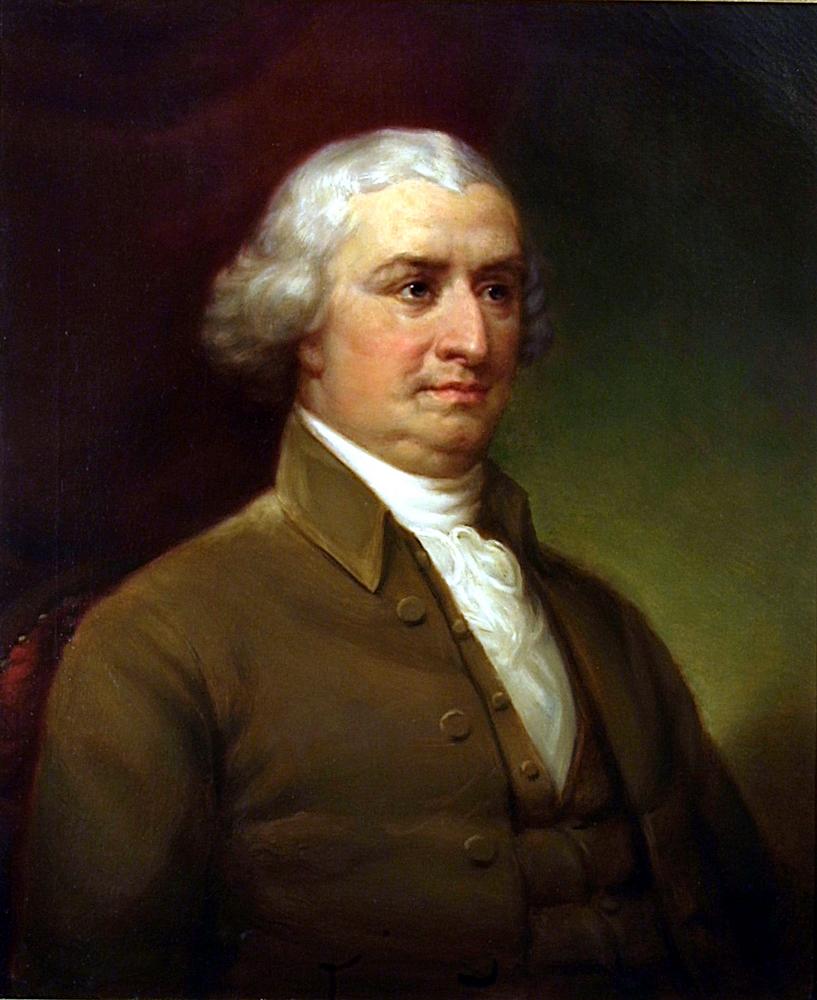
One of the college's first professors of mathematics, Benjamin West, was largely self taught. He was also a well known astronomer. He was appointed professor of mathematics and astronomy in 1786. His title was changed to professor of mathematics in 1798, his last year at the college. Transit Street, on the east side of Providence, got its name for being the location where West plotted and recorded the transit of Venus across the sun in 1769.
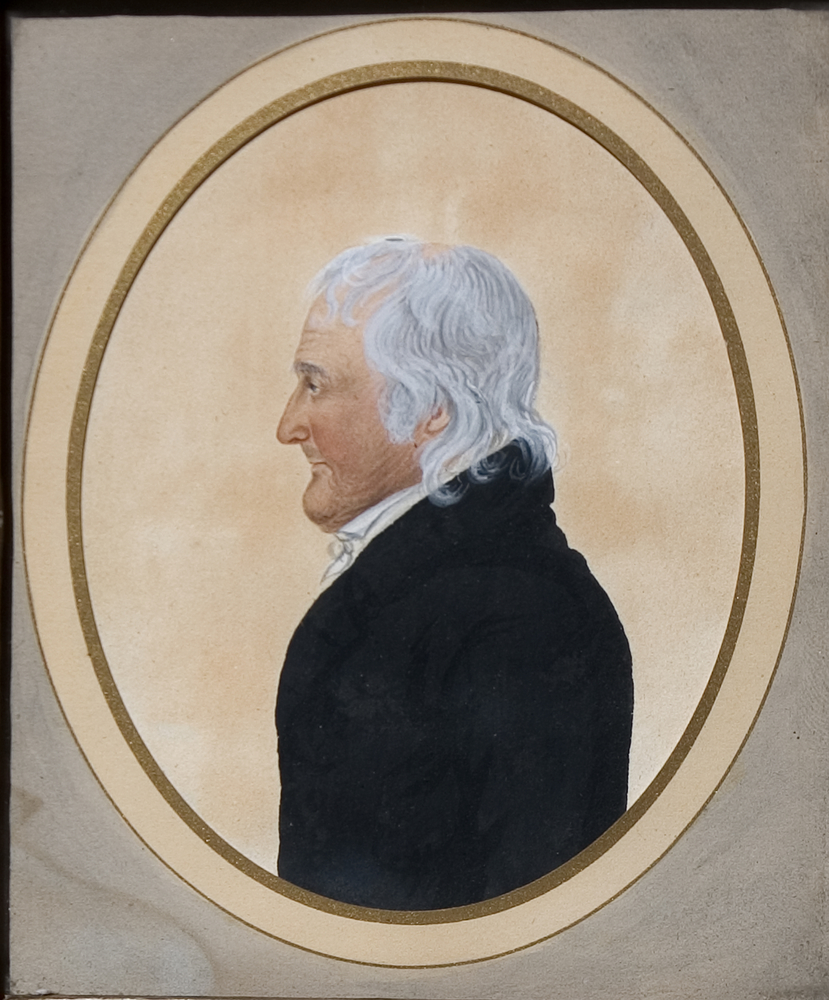
NOTABLE FACULTY
For a number of years, the faculty of the math department were mostly Brown graduates. Alexis Caswell graduated from Brown in 1822, returned as professor of mathematics in 1828 and later became Brown's 6th President from 1868-1872. Benjamin Franklin Clarke was named professor of mathematics and civil engineering after he graduated from Brown in 1863. Clarke served as president pro tempore from 1896-1897 and president ad interim 1898-1899.
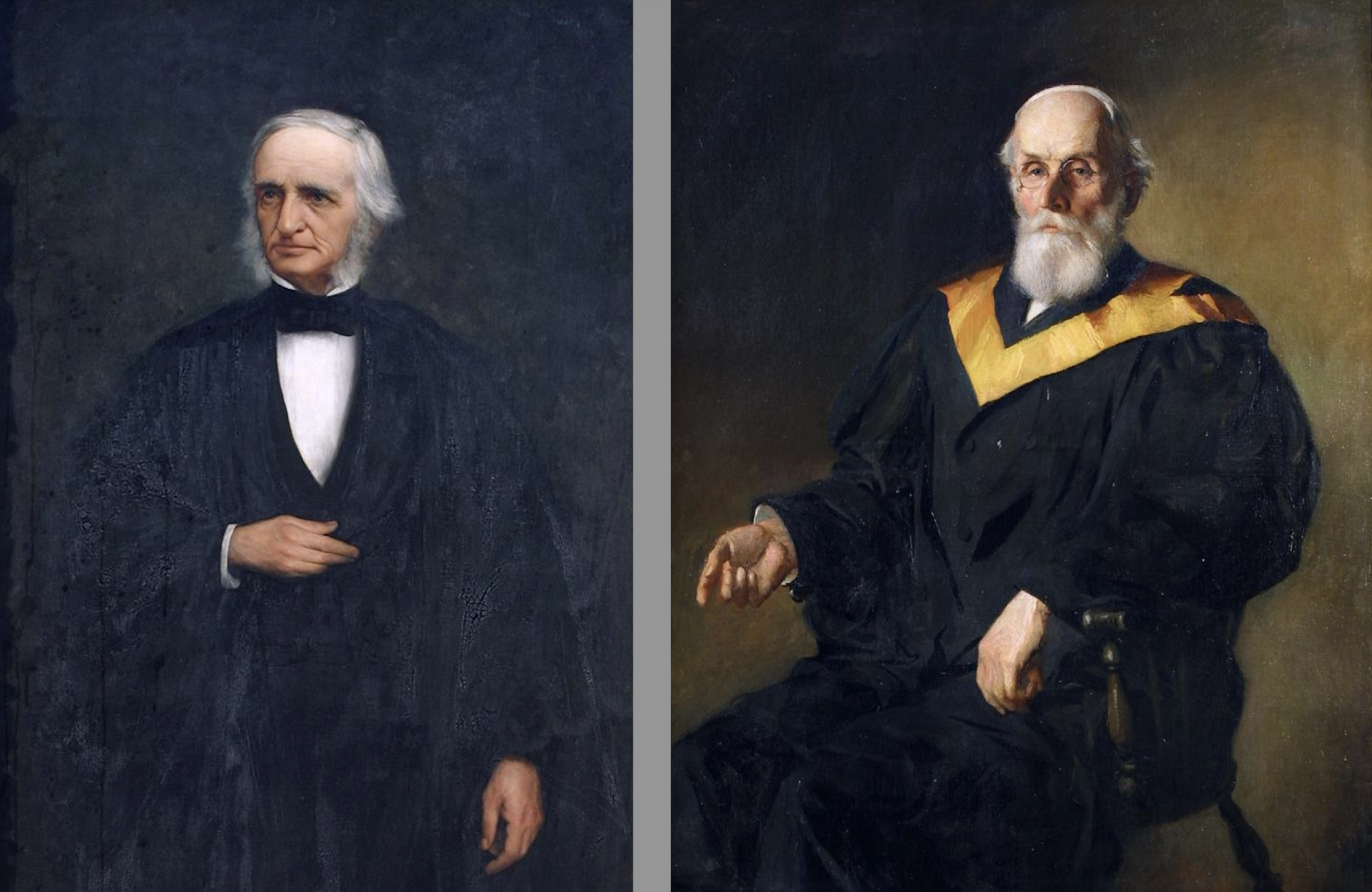
Nathaniel French Davis graduated from Brown in 1870. He returned as instructor of mathematics in 1874 and was later promoted to professor of pure mathematics. He served as head of the department from 1890 until his retirement in 1915. The math department's common room, named “The Davis Room” for many years, was where students and faculty would gather for weekly tea and a variety of math discussions. After his retirement, the Nathaniel French Davis Fund was established in his honor for the purchase of mathematical books and periodicals.
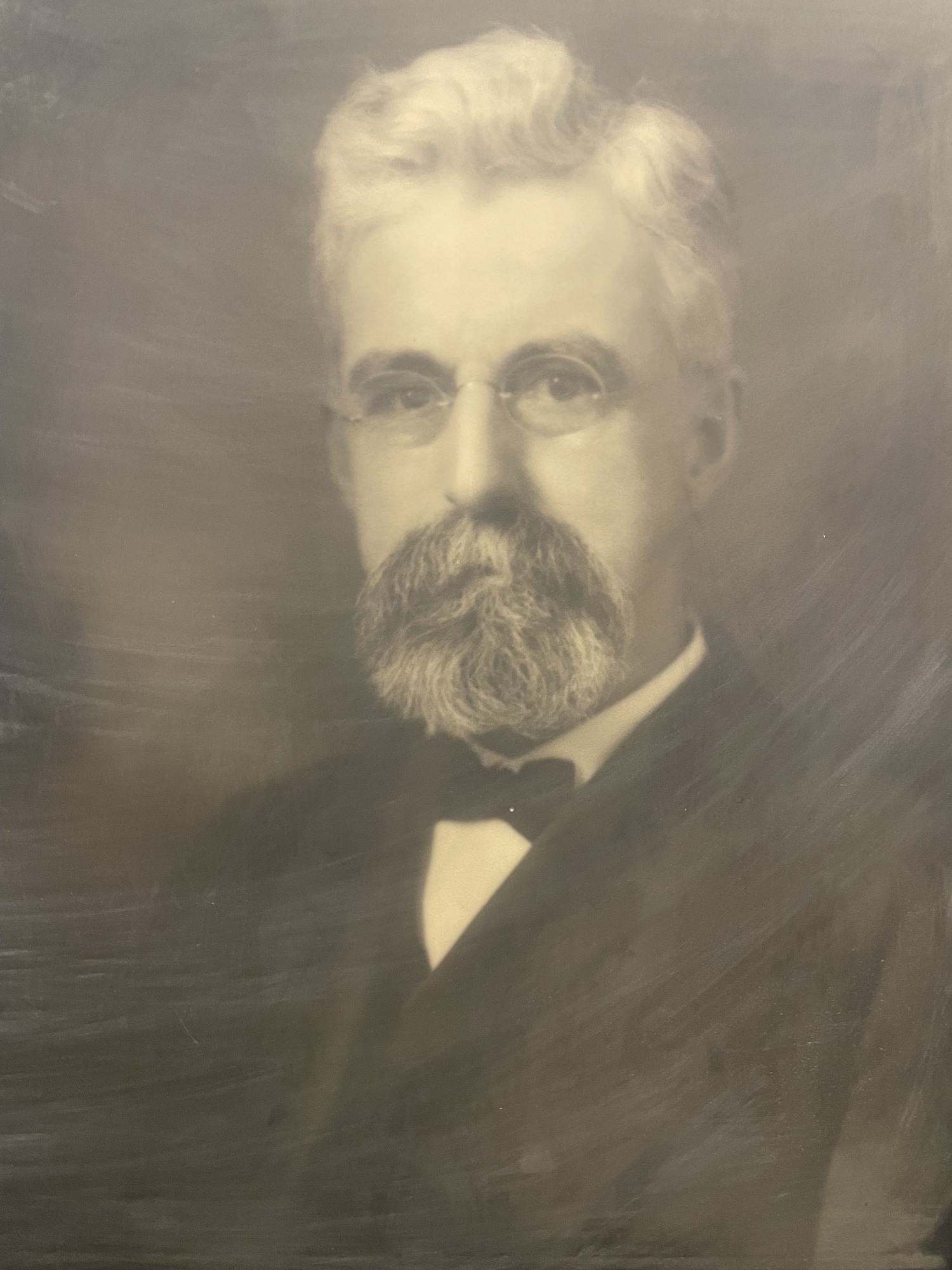
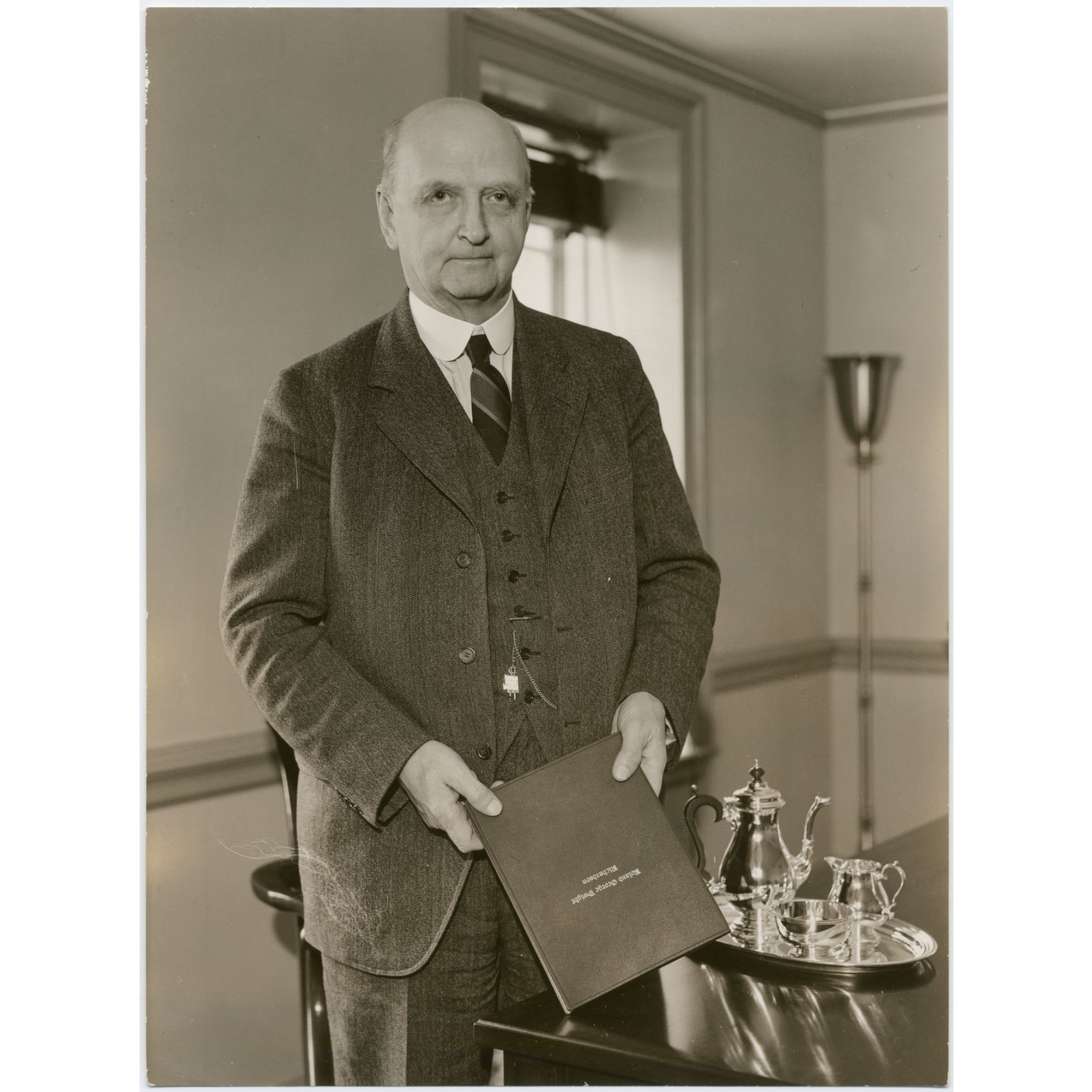
Professor Roland G. D. Richardson came to Brown in 1907 as assistant professor of pure mathematics and held several other positions in the university. He was head of the math department from 1915-1942. During that time he was also Dean of the Graduate Department, later renamed the Graduate School, from 1926-1948. He was acting vice president of the university from 1928-1929. It was through his efforts that the Division of Applied Mathematics was established in 1941.
Professor Raymond C. Archibald came to Brown in 1909 as associate professor and was promoted to full professor in 1928. As librarian of the American Mathematical Society from 1921-1941, he was instrumental in building the mathematical library at Brown to be one of the most prominent in the country.
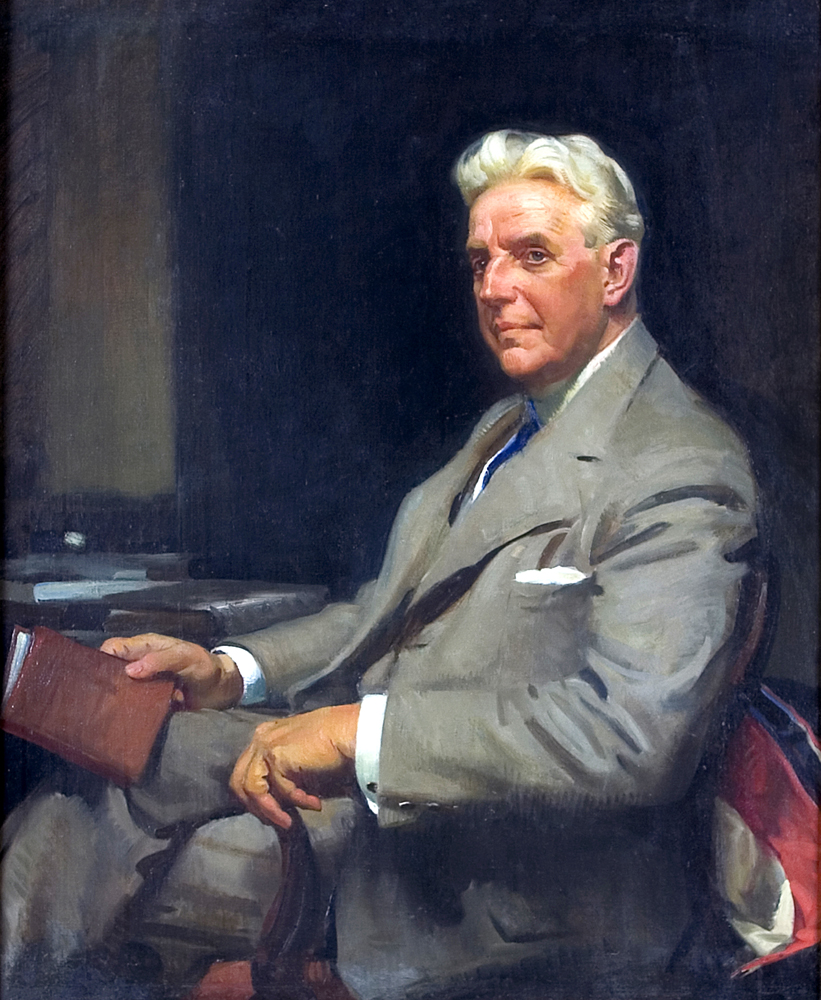
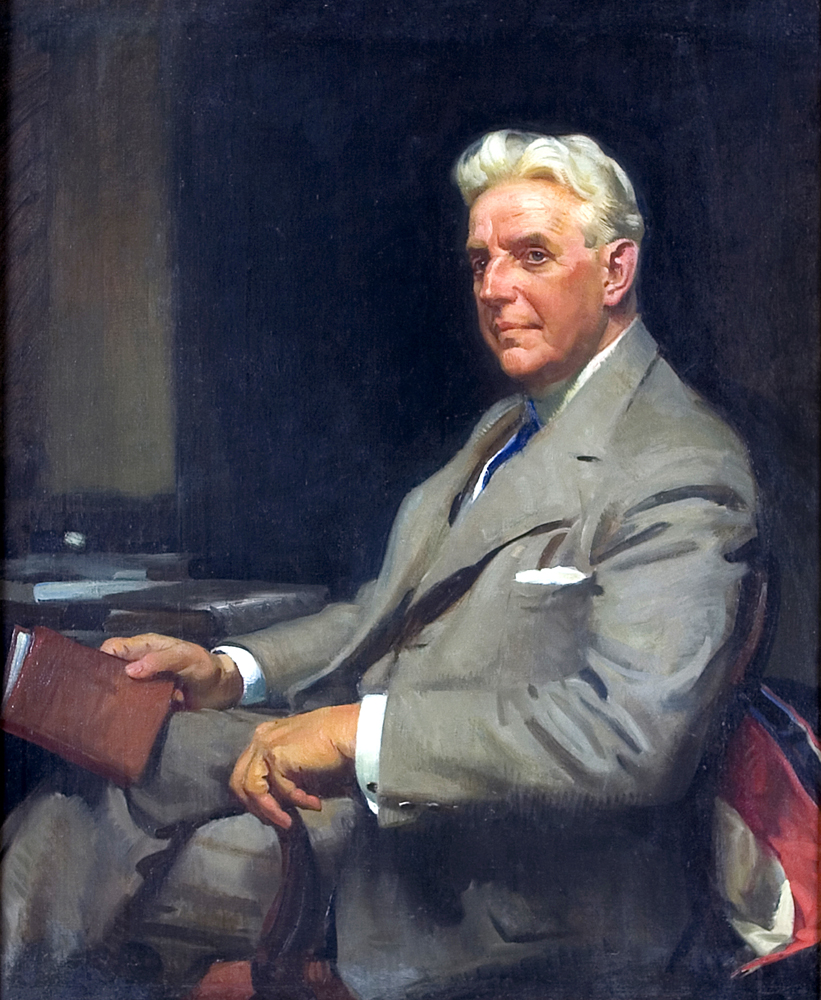
Professor Clarence R. Adams, a Rhode Island native, graduated from Brown University in 1918 and delivered the commencement address entitled "The Mathematical Concept of Infinity". Though he intended to go into business, he was encouraged by Professor Richardson to pursue mathematics in graduate school. After receiving his Ph.D. from Harvard in 1922, he returned to Brown University as instructor of mathematics. He was promoted to full professor in 1936 and was chairman of the department from 1942-1960 when he retired.
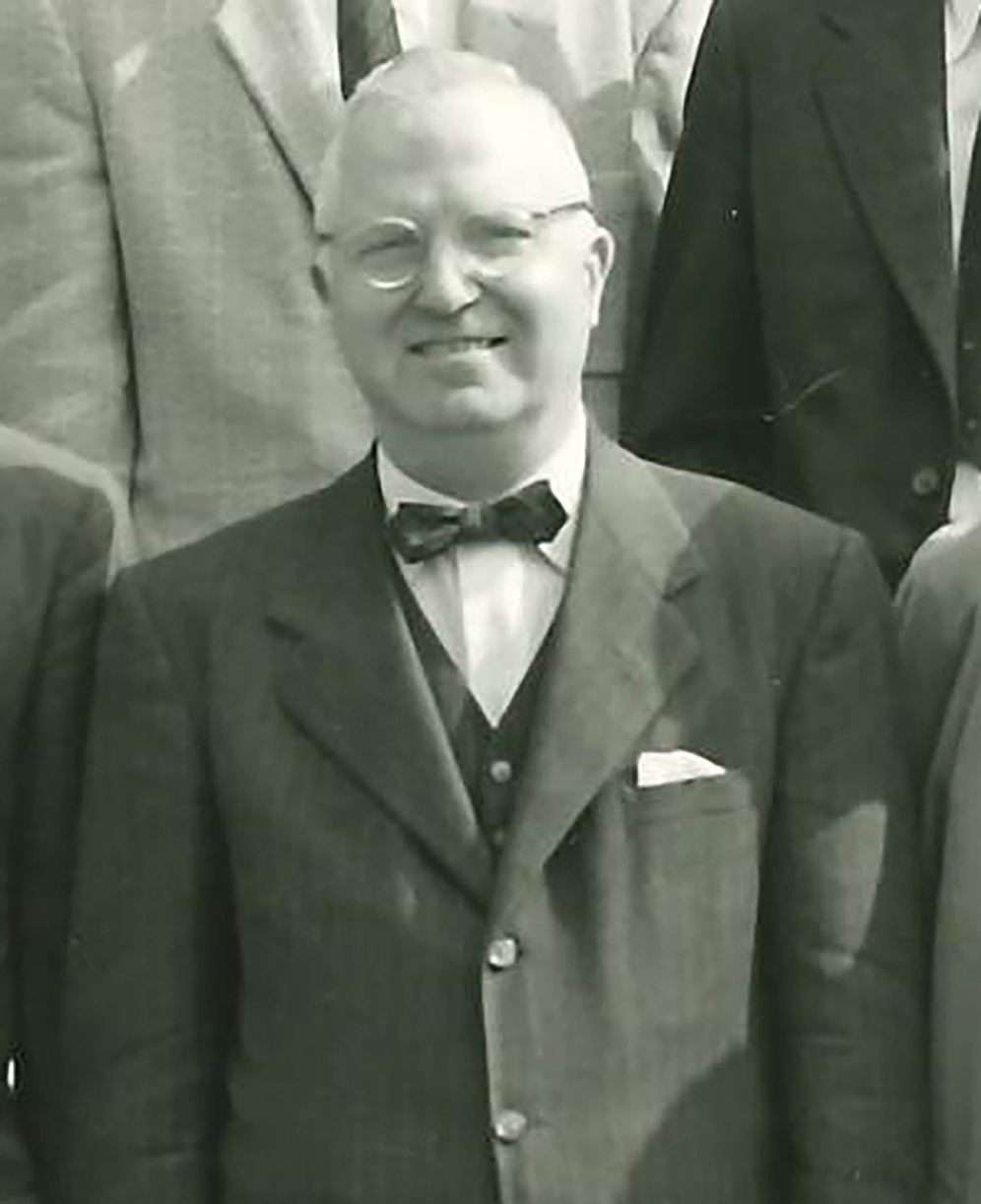
Professor Jacob David Tamarkin came to Brown in 1927 as assistant professor and was promoted to full professor a year later where he remained until his retirement in 1945. He was the faculty advisor for the department's first Ph.D. graduate, Rose Sedgewick Whelan in 1929 and a co-editor of the Mathematical Reviews magazine (originally based at Brown University) published by the Mathematical Association of America. In 1970, Brown established the Tamarkin Instructorship, later renamed the J.D. Tamarkin Assistant Professorship.
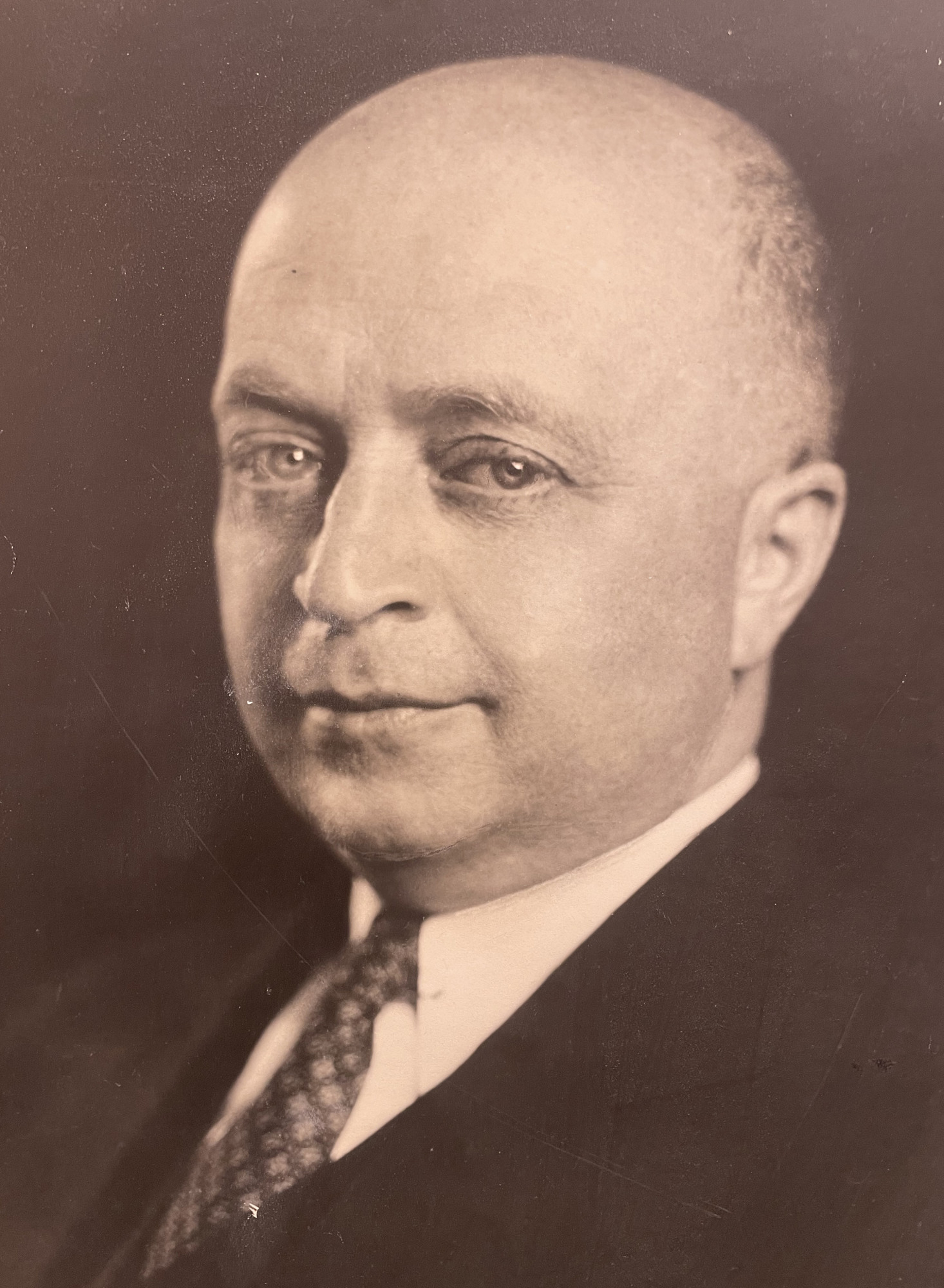
Photo of portrait in Kassar House
DEPARTMENT LOCATIONS
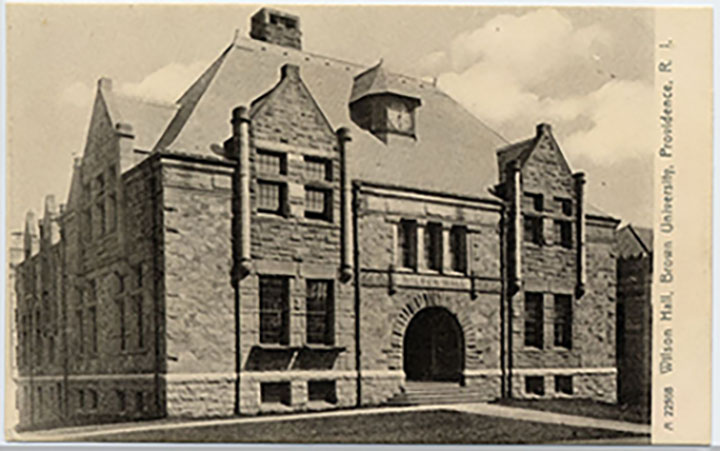
In the mid-to-late 19th century, when academic departments were beginning to form, the math faculty shared space in Wilson Hall (now known as Friedman Hall) along with engineering and physics faculty. In 1903, when a new engineering building was constructed, the upper half of Wilson Hall was dedicated entirely to the math department and its library. As the math library continued to grow, it was eventually moved to the Metcalf Research Laboratory in 1938.
.jpg)
Under the chairmanships of Professors Roland G. D. Richardson and C. Raymond Adams, the Department of Mathematics saw a significant increase in new faculty. The department moved in 1952 to 65 College Street, the former Delta Kappa Epsilon house. The building was renamed Howell House, after David Howell, the College's first professor. This was the second building on campus to be named as such.
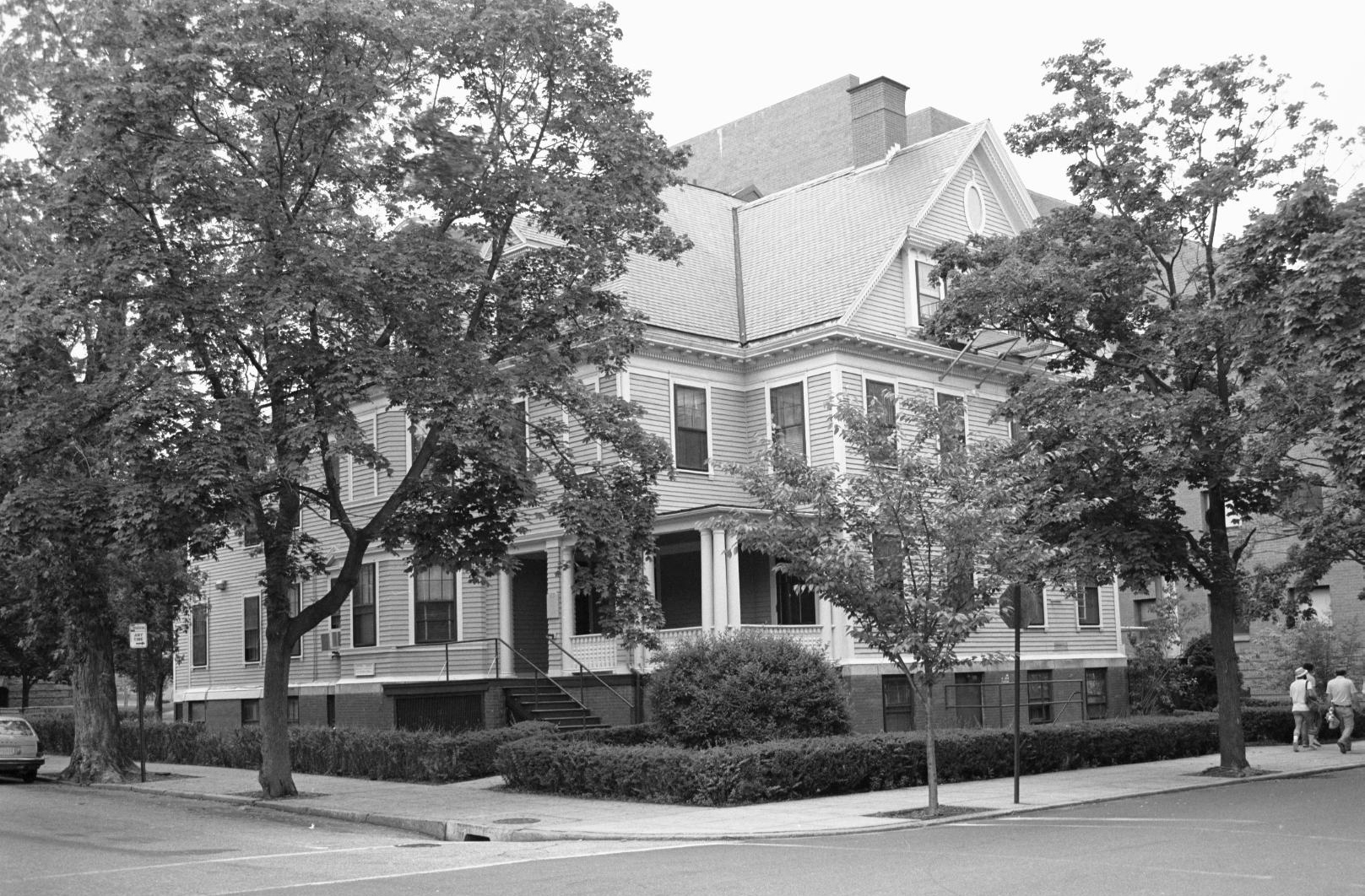
In 1961, when 65 College Street was being demolished to build the Rockefeller Library, the math department moved into the Thayer Street side of Ames House, taking the name Howell House with it. The George Street side of the building remained the Ames House dormitory until 1971 when the entire building was assigned to the math department.
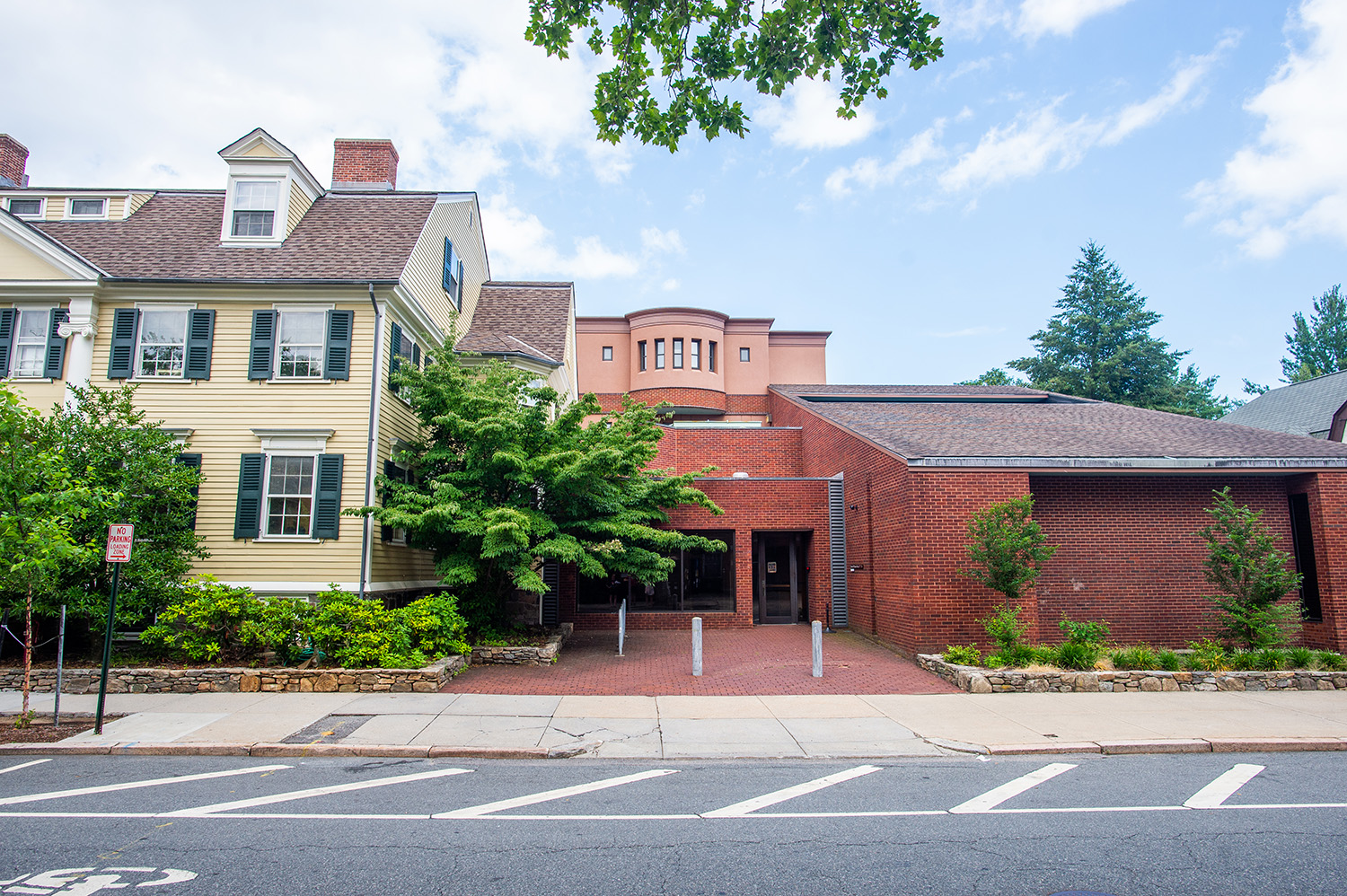
Over the years, the math department was growing significantly in faculty and students. In 1991, the department moved across George Street into the neighboring Kassar House, former home of the Computer Science Department. Howell House was soon after torn down in preparation for the new Geology-Chemistry research building, now known as MacMillan Hall.